KPMG
Overview
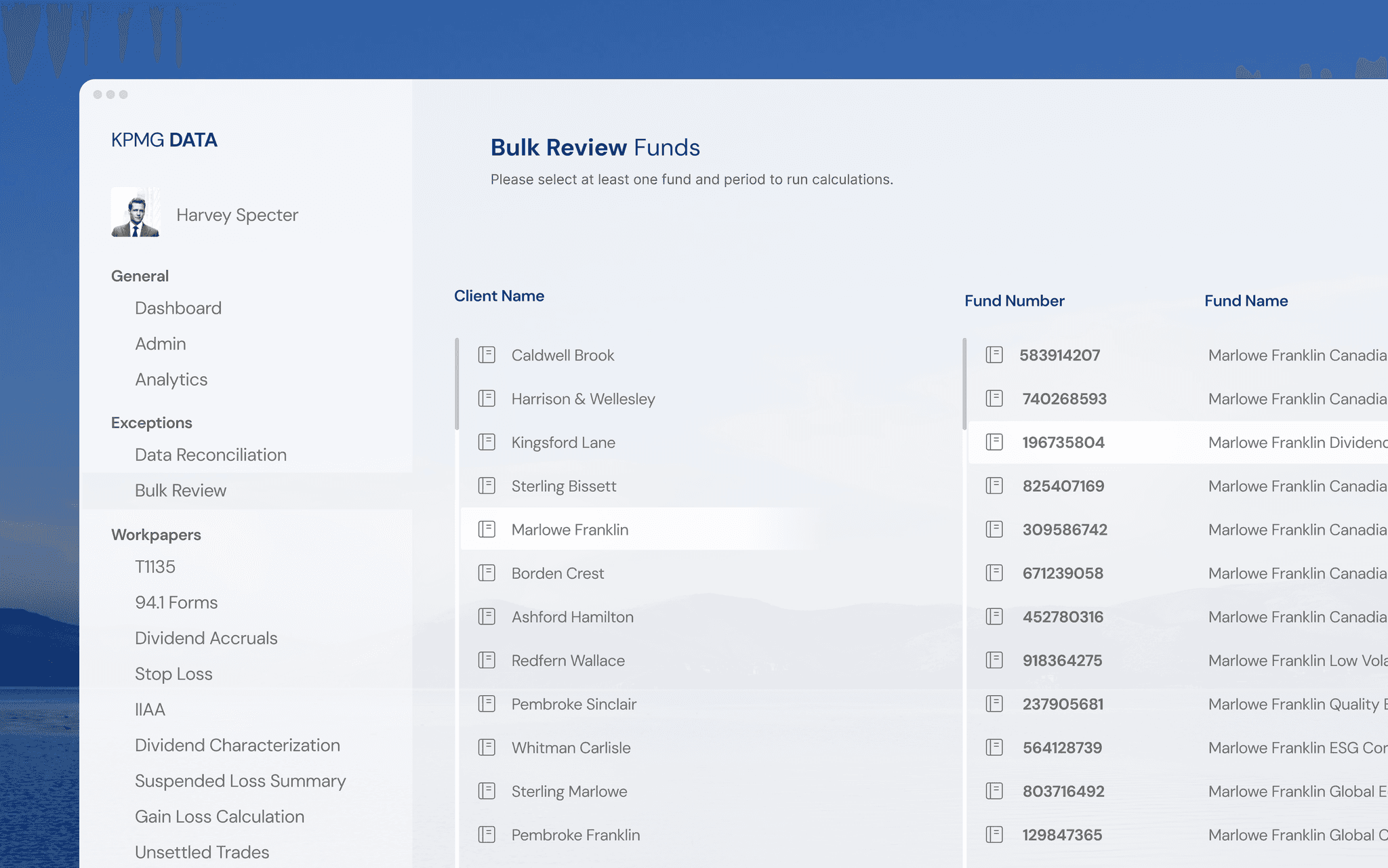
KPMG DATA is a legacy tool used by institutional clients like BlackRock, CIBC, and State Street to run complex tax calculations. The experience (split between a dated desktop application and a limited web interface) had accumulated years of fragmented navigation, inconsistent patterns, and no design system. I led the full redesign in an environment with no in-house design resources.
Role:
Product Designer
Date:
2024
Platform:
Cross Platform (Web & Desktop)
Tools:
Figma, Azure DevOps
Users
Tax analysts and operations teams who run calculations, reconcile outputs, and export reports.
Problem
The existing product had never been designed, it had been built. Core workflows were buried across 50+ disconnected menu paths. Users needed an average of 5+ clicks to reach key tasks. There was no component consistency, no documented patterns, and no design files of any kind.
Process
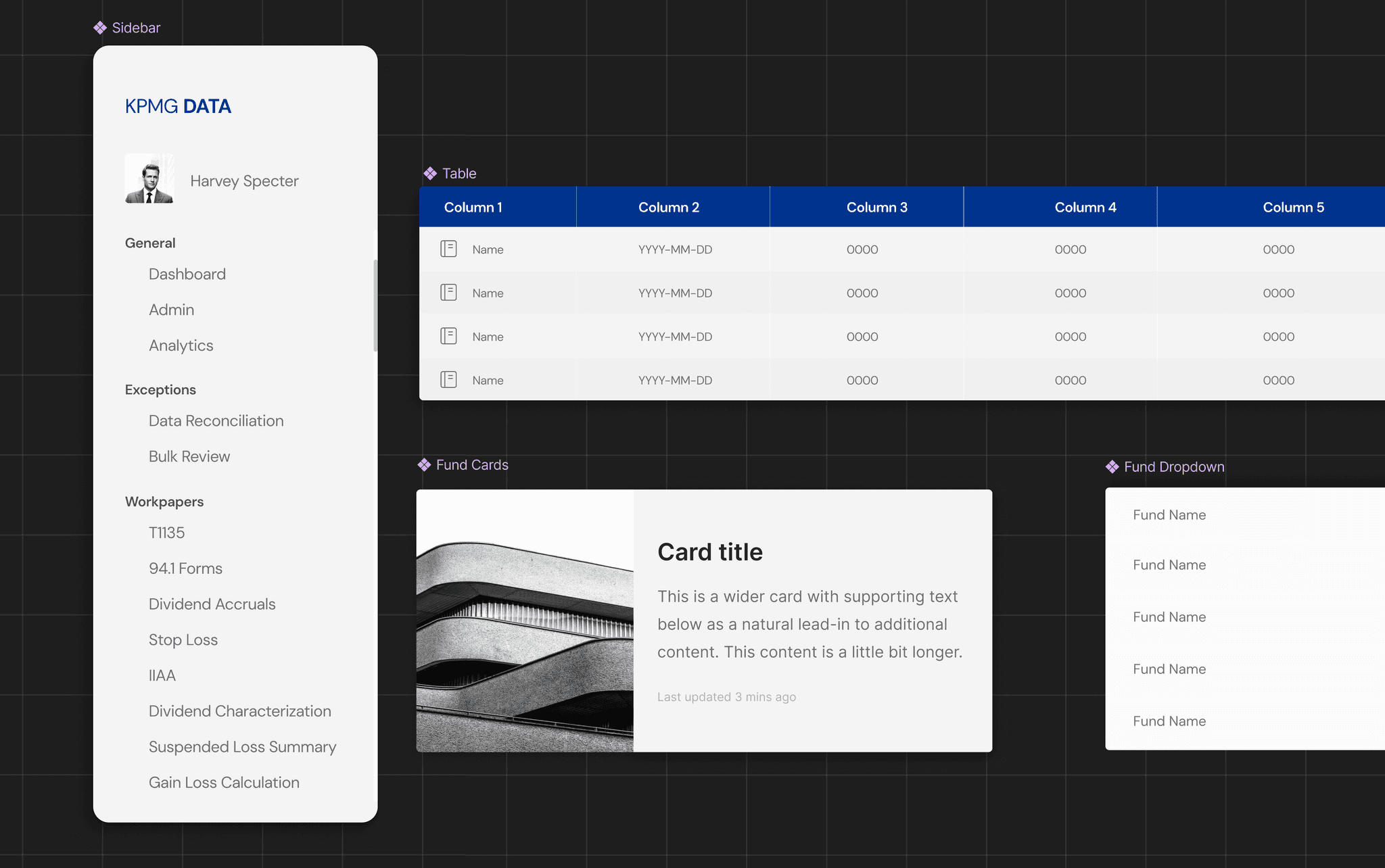
I started by embedding myself with internal power users: tax analysts and ops teams who lived in the tool daily, running calculations, reconciling outputs, and exporting audit-ready reports. Through workflow mapping sessions, I built a clear picture of where the friction lived. Entry points were scattered across menus that had accumulated organically over years. Users were clicking five or more times just to switch between modules. Repeated UI patterns like tables, filters, and forms were implemented inconsistently, forcing users to relearn interactions in every corner of the product.
I partnered with product stakeholders and users to audit existing workflows, map user journeys, and identify the highest-friction paths. I reviewed 30+ support tickets to surface recurring pain points. From there, I prioritized redesigning the workflows that impacted the most users and carried the highest error risk.
What I delivered
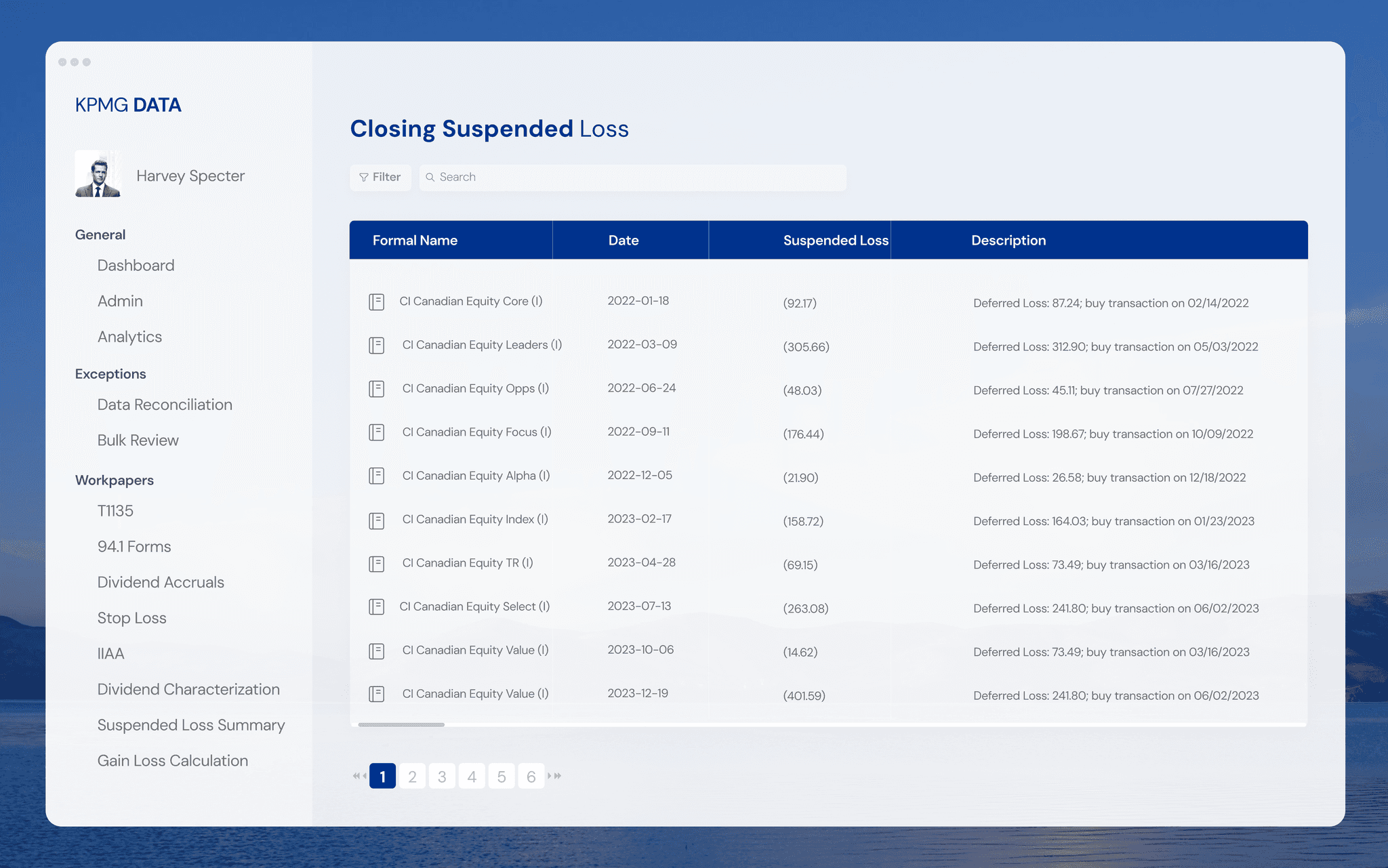
A unified global navigation system (sidebar + standardized module taxonomy), reducing average navigation from ~5 clicks to 1–2
The first centralized Figma wireframe library KPMG DATA had ever had
A component library standardizing 20+ repeated patterns (tables, filters, forms, modals)
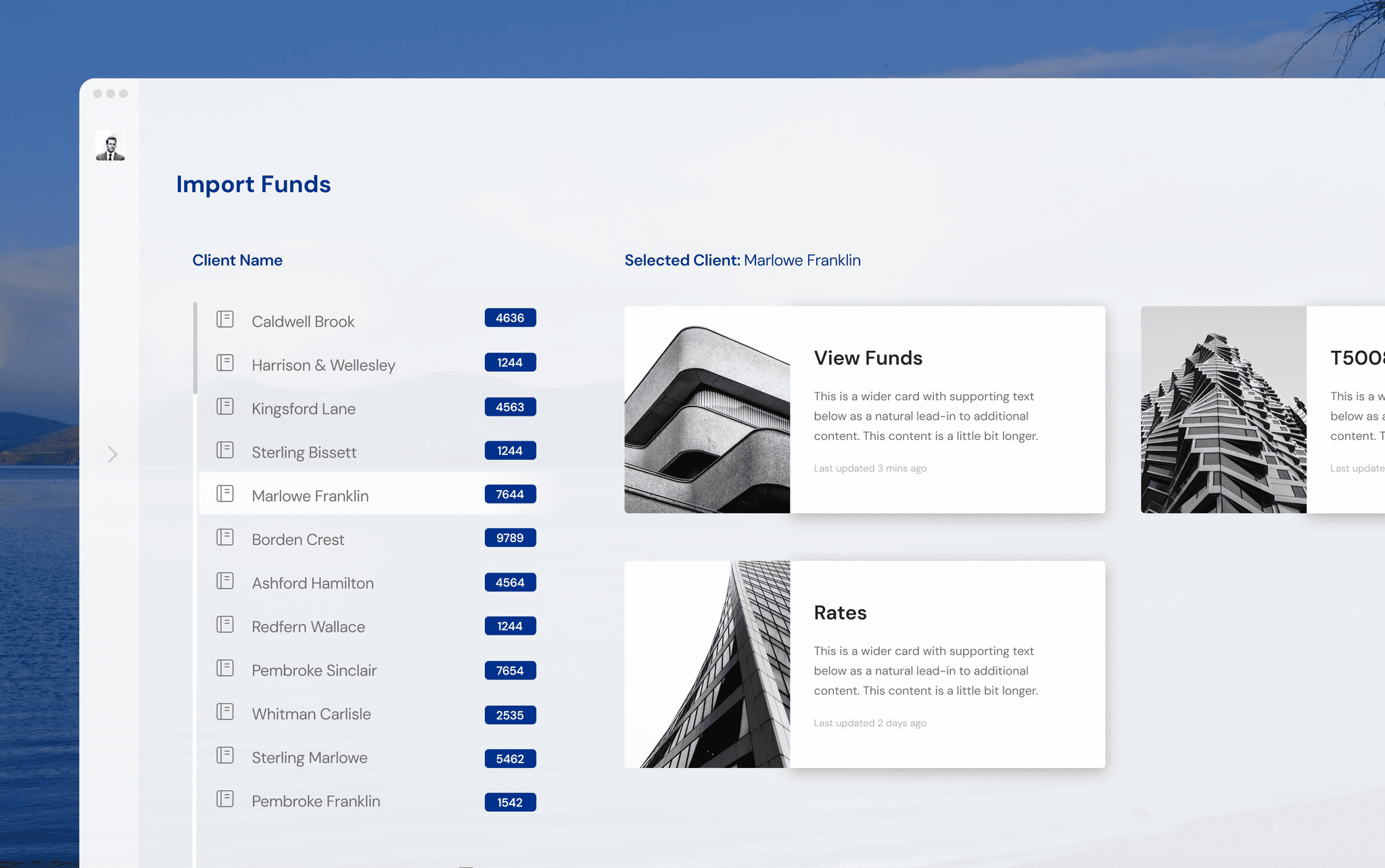
Redesigned 10 core workflows end-to-end
Full handoff package: new information architecture, workflow maps, high-fidelity prototypes, and detailed specs
Outcome
Reduced estimated task completion time by 20%. Established a scalable design foundation for future product development. Delivered a full design system ready for engineering implementation, with expected release in Q1 2025.